
Last Updated on April 4, 2026 by Editorial Team
You’ve seen it happen. That moment when your kid dumps their entire backpack on the kitchen floor and somehow three crumpled permission slips, last week’s lunch container, and a library book you’ve been searching for all tumble out together. Meanwhile, they’re frantically searching for the homework they swear they finished.
Backpacks turn into black holes faster than you’d think possible. One day it’s organized and perfect, the next day it’s a disaster zone. But a well-organized backpack changes everything. Kids find what they need when they need it. They feel more confident and in control. Morning routines stop being battles.
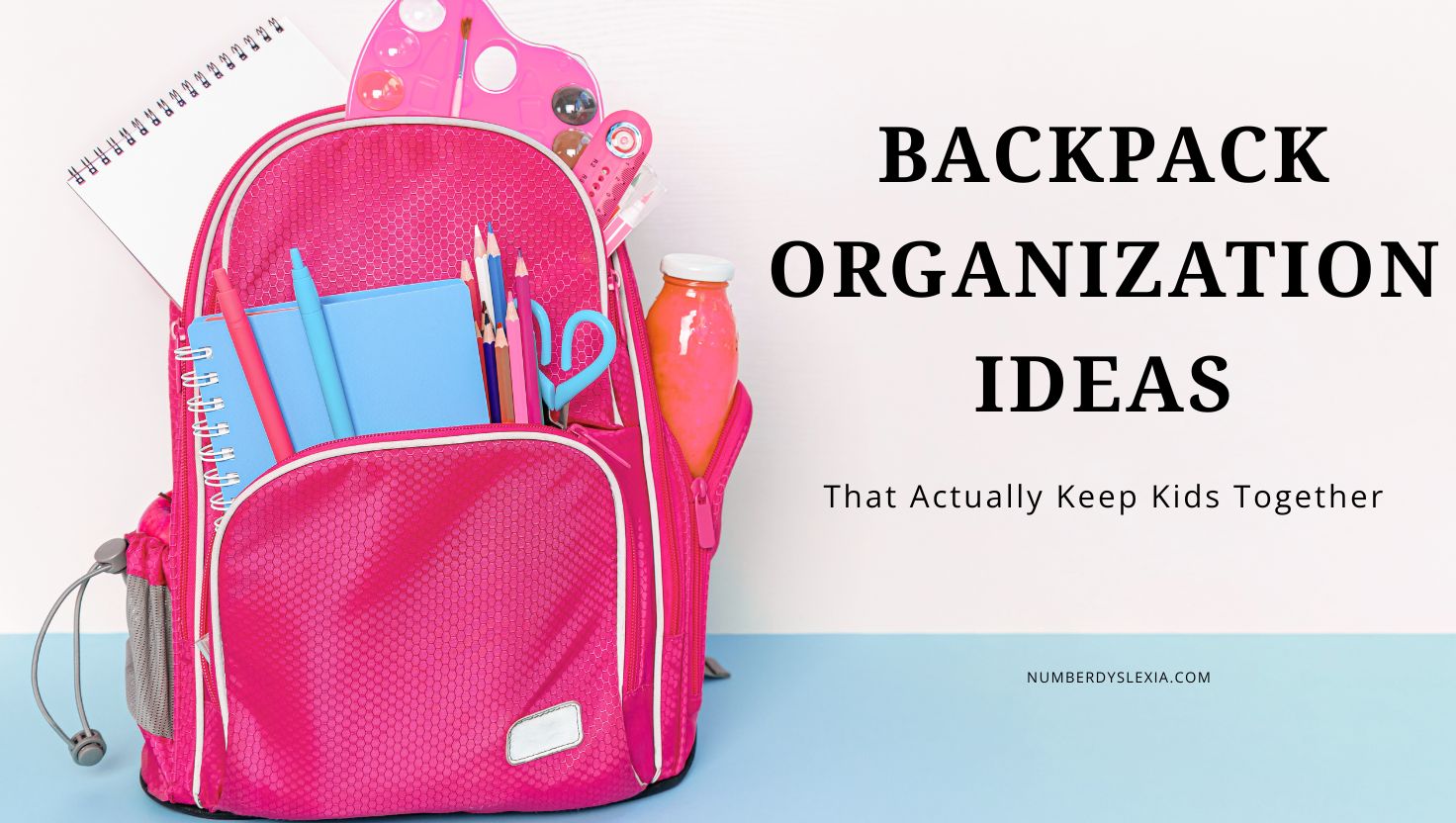
Getting a backpack organized is about creating simple systems that actually work with how kids really behave. Let’s look at ten backpack organization ideas that make life easier for everyone.
1. Use a Binder with Built-In Pockets for Papers
Loose papers are the enemy. They crumple, tear, get lost, and generally make everything harder than it needs to be. A good binder system solves most of these problems instantly.
Get a sturdy binder with pockets built into the front and back covers. Those pockets become homes for specific types of papers. The front pocket holds things going to school, like permission slips and homework. The back pocket keeps things coming home, like graded work and parent notices.
Add dividers with pockets inside for different subjects. Math papers stay in the math section. Reading assignments go in their own spot. Everything has a place instead of floating around loose.
Choose a binder that fits easily in the backpack without bending. Nothing defeats the purpose faster than a binder that gets smooshed and ruins all the papers anyway.
2. Create a Pencil Pouch System That Makes Sense
Writing supplies scatter to every corner of backpacks if you let them. Pencils without caps or cases end up poking holes in things, breaking their tips, and generally being annoying.
Use a see-through zippered pencil pouch so kids can spot what they need without dumping everything out. Clear pouches let you do a quick visual check that essentials are actually in there.
Keep it simple inside. Two or three pencils, one eraser, a small pencil sharpener, maybe some colored pencils or markers if needed. Don’t overpack it, or everything becomes jumbled again.
3. Add a Small Toiletry Bag for Emergency Supplies
Life happens. Noses bleed. Clothes get dirty. Hands need washing. Kids need supplies for these moments, but they can’t carry full disaster kits everywhere.
Pack a small toiletry bag with basics. Travel-size hand sanitizer, a few bandages, tissues, wet wipes, and maybe lip balm, depending on the weather. Keep it minimal so it doesn’t take up much space.
For older kids, add whatever they might need for their specific situation. Girls might need certain products. Kids with allergies need their medications. Kids with braces need special supplies. Customize it for your actual child.
4. Use Separate Pouches for Different Categories
Everything mixed together creates confusion. Separating items into category-specific pouches makes finding things so much faster and easier.
Try a pouch system where each pouch has a job. One for writing supplies, another for electronics like earbuds or a calculator, maybe one for personal care items, and another for snacks.
Label each pouch clearly. Young kids might need picture labels along with words. Older kids can handle word labels just fine, but make them clear and obvious.
5. Create a Folder System with Color Coding
Color coding sounds complicated, but it actually simplifies everything once you set it up. Each subject gets its own color, and suddenly organization becomes automatic.
Assign colors to different subjects or activities. Red for math, blue for reading, green for science, and yellow for social studies. Keep the same colors all year so kids don’t have to relearn the system.
Put a small label on each folder listing what goes inside. Helps at the beginning until the system becomes a habit.
6. Add a Water Bottle Holder That Actually Works
Water bottles are essential, but they’re also notorious for leaking and making everything soggy. Proper storage prevents disasters.
Use the side pocket on backpacks for water bottles instead of putting them inside with papers and electronics. Seems obvious, but many kids don’t think about it.
Get an insulated water bottle holder if your backpack doesn’t have good pockets. These clip onto backpacks and hold bottles securely without taking up interior space.
7. Use Exrea Bags for Gym Clothes and Dirty Items
Gym clothes, muddy cleats, and dirty art smocks, all these items need to be separated from clean school supplies and papers. Mesh bags handle this perfectly.
Pack a breathable mesh bag specifically for gym clothes or anything that might be sweaty or dirty. The mesh lets air circulate, so things don’t get too gross before laundry day.
Keep this bag in a separate compartment if your backpack has multiple sections. Otherwise, put it at the very bottom so nothing clean sits on top of it.
8. Create a Tech Pouch with Padding
Most kids carry some technology these days. Tablets for schoolwork, headphones for lessons, calculators for math. These items need protection from the chaos inside backpacks.
Use a padded pouch specifically for electronics. Even simple padding prevents screens from cracking when backpacks get dropped or bumped around.
Add a small bag of rice or silica gel packets if you live in a humid or rainy area. Helps absorb moisture and protect electronics from water damage.
9. Use Zippered Pouches for Small Loose Items
Small things disappear into backpack corners, never to be seen again. Hair ties, erasers, paper clips, lunch money, house keys, all these tiny essentials need containment.
Keep a small zippered pouch just for miscellaneous small items that don’t fit other categories. Everything goes in one spot instead of scattering throughout the bag.
Go through this pouch weekly because it accumulates random stuff fast. Throw away trash, relocate things that belong elsewhere, and reset it for the next week.
For younger kids, attach this pouch to a clip so it stays near the top and doesn’t migrate to the bottom, where they’ll never find it again.
10. Add a Simple Checklist and Establish a Daily Cleanout Routine
The best organization system in the world fails without maintenance. Daily habits keep backpacks functional instead of gradually dissolving into chaos.
Set up a specific time and place for backpack cleanout. Right after school works great. Kids empty everything out, trash goes in the garbage, papers go to parents, and supplies get reorganized.
Make it quick. Five minutes maximum, or kids will resist doing it. The goal is maintenance, not deep cleaning every single day.
Keep a donation box or trash bin right where kids do their cleanout. Makes it easy to get rid of broken crayons, finished assignment sheets, dried-up markers, and other stuff that are just taking up space.
Stay Consistent With the Ideas You’ve Helped Your Child Adopt
Start these systems at the beginning of the school year when everyone’s motivated and organized. It’s way easier to maintain good habits than to create them halfway through the year when chaos has already taken over.
Involve kids in choosing their organization supplies. Let them pick colors and styles they actually like. They’re way more likely to use systems they helped create and feel a sense of ownership over. Be patient as new habits form. It takes a few weeks before these routines become automatic. Expect to remind and help at first. Eventually, kids will maintain their systems independently.
Remember that perfect organization isn’t the goal. Functional organization is what matters. If kids can find what they need when they need it, and teachers are getting important papers, your system is working great.
Every kid’s organizational needs are a bit different. Try these ideas, keep what works, modify what doesn’t, and create a backpack system that actually fits your family’s real life.
